Robert Darnton made an impressive cameo presentation speech at JISC’s Oxford Conference on The Library of the Future (Presentations, Twittering). Darnton made some interesting points about Google Book Search and what libraries should be doing (appealing to Google’s better nature and public spirited-ness, which may work?). One throw-away remark of his caught my attention:
“Someone born in 2010 will not feel nostalgia for the printed book.”
He might be right about that. Think about the implications. This year, next year or the year after is a tipping point for digital books. He clearly isnt saying that three year olds will not be having Babar read to them in 2013. But it could be that a lot of kids will be having Babar read to them from iPhones or colour Kindles in 2013. A lot of folk in the publishing industry would say that Darnton is being a bit early with that conjecture, but if you look at the way that the iPhone and netbooks have jumped forward in the last year or two, he could be spot on. Bedtime stories in many households will be coming from mobile devices, of course with colour screens, in three or four years time. In three or four years time many households that cannot afford colour books will have mobiles with colour screens.
But I think that there is another implication of his remark. People will not in five or ten years time be feeling nostalgic for print books. They will be very excited about what you can do with real books, digital books. Sure printed books will still be collectable and valuable, some of us will prefer them to digital books. Just as a few of us prefer vinyl to digital recorded music, but it will be a small minority. It may be a very small minority. Do you still know people who use typewriters over computers, who use slide rules over calculators? Not many left.
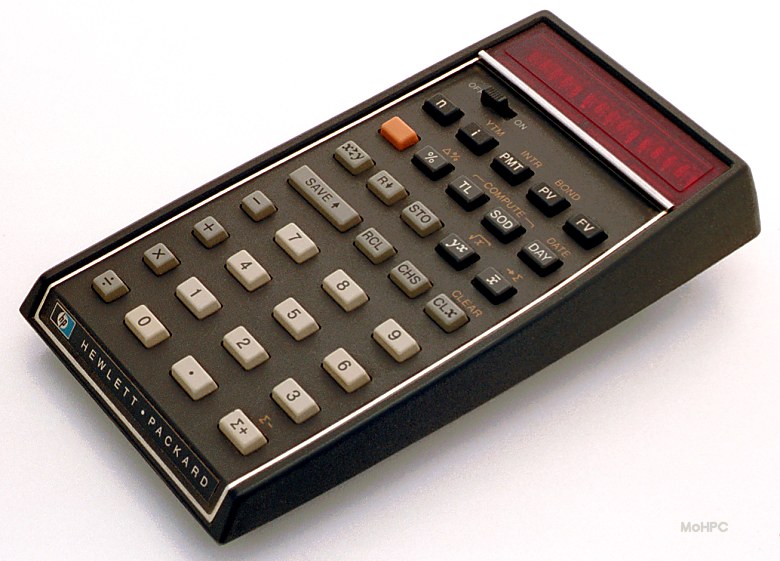
When digital books have really arrived they will be so much better than print books that nobody will feel nostalgic for print. The books and the libraries of 2020 will be vastly more useful and vastly more accessible than those that we have now. Darnton is right. Also, though he did not say this: not only will the digital libraries be so much better than the merely print-based libraries of the 1970s, they will also be so much unlike our early efforts to create digital books and digital libraries, that readers of 2020 will be looking back on the primitiveness of our current Kindles, EPUBs, GBS and other efforts with embarasment. Do any of us remember how clunky the first calculators were? About digital books and magazines I am an unmitigated optimist.
Even about newspapers. The few remaining digital newspapers will be great once the publishers have learnt how to make them work. There is still a huge amount of fear of digital in the publishing industry. There needs to be more excitement and enthusiasm.