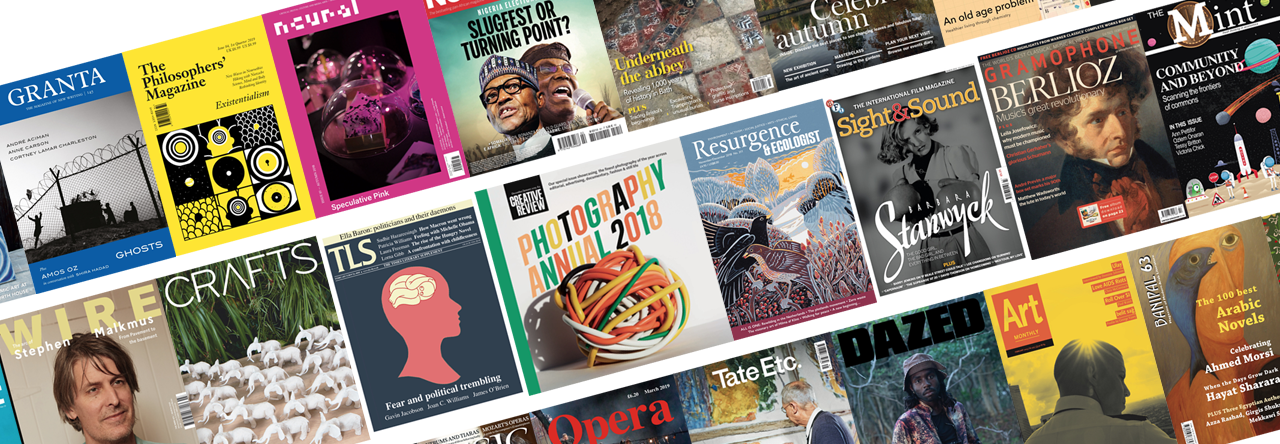
Born as part of one of the oldest British newspapers, The Times, in January 1902, The Times Literary Supplement (The TLS) never intended to be a long standing publication, stating on its first ever front page:
During the Parliamentary session Literary Supplements to ‘The Times’ will appear as often as may be necessary in order to keep abreast with the more important publications of the day.”
Now, over 120 years later, the supplement has become one of the world’s leading journals for literature and ideas, continuously guided by two principles for the selection of pieces it includes in issues: is it interesting; and is it beautifully written?
Every week, the journal publishes reviews, extracts, essays, poems and articles from leading writers from around the world about major subjects and events. It is the only leading English-language publication to review books published in other languages.
A dynamic history of breaking boundaries
Since The TLS officially split from its parent publication in 1914, it has developed a reputation for spotlighting early work from pioneering writers who go on to change the landscape of the literary world.
The long list of featured writers is diverse, including; Virginia Woolf, Henry James, T. S. Eliot, Thomas Hardy, Sylvia Plath, Italo Calvino, Patricia Highsmith, Milan Kundera, Mario Vargas Llosa, Gore Vidal, Svetlana Alexievich, Martin Scorsese, Hilary Mantel, George Orwell, Seamus Heaney, Ursula Le Guin, Margaret Atwood and many more.

As is usually the case with publications that showcase opinion and commentary pieces on world events, The TLS has not always avoid controversy. Reviews were all published anonymously until 1974, when they gradually started to be signed by the author during the editorship of writer John Gross. This move caused some stir among the journalistic community, with Gross responding, “I personally felt that reviewers ought to take responsibility for their opinions.“
Although the journal has at times missed out on being part of some key cultural movements influenced by major literary figures (for example never publishing James Joyce entirely during his life), it continues to grow its century-long reputation for highlighting quality, expertise, breadth and depth from both new and established writers.
The Times Literary Supplement in the digital space

So where does The TLS now sit in our saturated world of instant opinions and confusing news? Many prominent writers and Nobel Prize winners describe the publication as one of the world’s most stimulating and indispensable cultural publications of today. And it has translated itself over to become a visually engaging title for a new generation of digital readers.
Access to digital versions of the latest issues of The TLS and archive dating back to 2010 is available on the Exact Editions platform. Readers can experience and search through this renowned publication just as it was made for print, featuring inspiring editorial work, ideas and transformative art. Find out more here.
The magazine has also been notably successful with institutions on the Exact Editions platform, appealing to libraries on every continent. Institutions and libraries interested in subscribing to the digital version of the magazine can find out more here.
About us
With a high-quality interface and advanced search functions, Exact Editions’ digital publishing platform provides a user-friendly and straightforward reading experience.
Sign up for the ‘Exact Edition’ newsletter here for a handily compiled list of articles from the digital publishing industry’s most trusted sources straight to your inbox each fortnight.
Digital subscriptions to the above magazines are all available in the Exact Editions shop. You can also click here to request a free institutional trial to a wide range of digital magazines.
Leave a Reply